
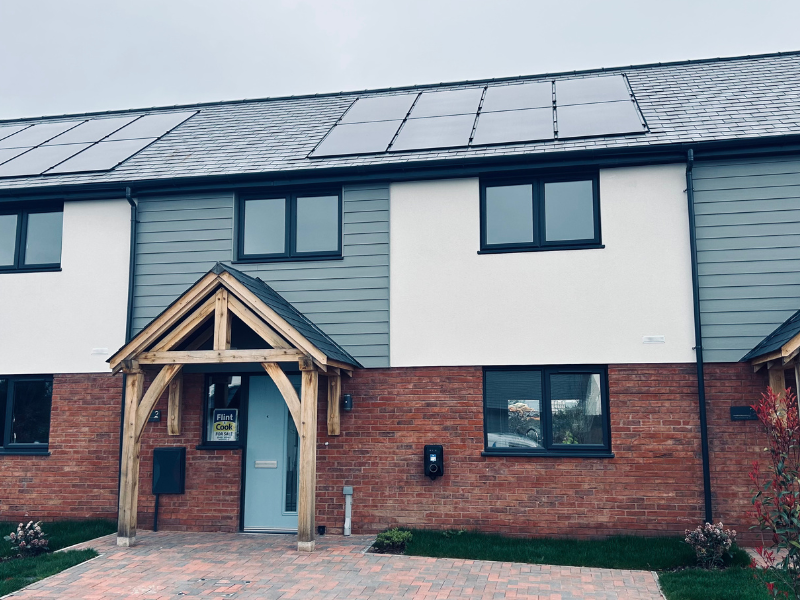
A “party wall” is a shared wall, normally between semi-detached or terraced properties, and which divide the homes of separate property owners.
In England and Wales, works to party walls, boundary walls and excavations close to neighbouring buildings are governed by the Party Wall etc Act 1996 and may require notices to be served on neighbouring properties. Commonly, domestic extensions, works involving removing internal walls would all be covered by the Act (click the link above or the image of the Party Wall etc. Act 1996 to the right to read the legislation).

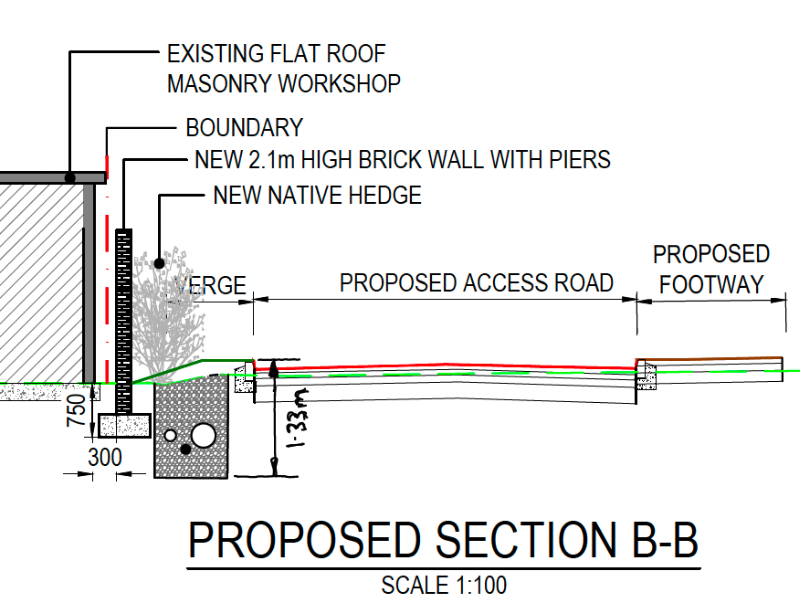
The primary parties under the Act are the Building Owner and the Adjoining Owner. The Building Owner is the person proposing to undertake works to their property, whereas the Adjoining Owner is any person who’s property will be affected by the works.
Commonly, domestic extensions, (where new foundations are required near boundary walls), works involving removal of internal walls and loft conversions would all be considered to be notifiable under this Act.
Party wall notices are required to be given under Sections 1 (Line of Junction), 3 (Party Structures) and 6 (Adjacent excavations and construction) of the Act. The Building Owner is responsible for notifying neighbours who may be affected by the proposed works.
A party wall award is required to be agreed where a dispute has arisen under the Act, and contains the agreed terms and the conditions of which works are undertaken.
A party wall is a shared wall, normally between semi-detached or terraced properties, and which divides the homes of separate property owners. Masonry walls which sit astride boundaries are called party fence walls. Floors which separate different dwellings within a single building (for example, flats) are called party structures.
A Party Wall is a shared wall, normally between semi-detached or terraced properties, and which divide the homes of separate property owners. Party walls also include external boundary walls and covers excavations near neighbouring properties.
In England and Wales, works to party walls, boundary walls and excavations close to neighbouring buildings are governed by the Party Wall etc. Act 1996. The Act does not apply to Scotland or Northern Ireland.
In England and Wales, works to Party Walls, boundary walls and excavations close to neighbouring buildings are governed by The Party Wall etc. Act 1996. The Act does not apply to Scotland or Northern Ireland.
The primary parties under the Party Wall etc. Act 1996 are the Building Owner and the Adjoining Owner. The Building Owner is the person proposing to undertake works to their property, whereas the Adjoining Owner is any person who’s property will be affected by the works.
The primary parties under The Party Wall etc. Act 1996 are the Building Owner and the Adjoining Owner. The Building Owner is the person proposing to undertake works to their property, whereas the Adjoining Owner is any person who’s property will be affected by the works.
Commonly, domestic extensions (where new foundations are required near boundary walls), works involving removal of internal walls and loft conversions would all be considered to be notifiable under this Act.
Commonly, domestic extensions (where new foundations are required near boundary walls), damp-proofing works and loft conversions would all require Party Wall Agreements.
Party wall notices are required to be given under Sections 1 (Line of Junction), 2/3 (Party Structures) and 6 (excavations) of the Act.
Party Wall Notices are required to be given under Sections 1 (Line of Junction), 2 (Party Structures) and 6 (excavations) of The Party Wall etc. Act 1996.
A party wall award is required to be agreed where a dispute has arisen under the Act, and contains the agreed terms and the conditions of which works are undertaken.
A Party Wall Award is required to be agreed where a dispute has arisen under The Party Wall etc. Act 1996, and contains the agreed terms and the conditions of which works are undertaken.